Our Objectives
The Pilot (2026)
Schools can become practical hubs for climate learning, food resilience, and environmental stewardship.
01
Test a school-based tree nursery and climate education model
02
Equip teachers and students with hands-on nursery and climate skills
03
Explore how fruit and indigenous trees can support learning and nutrition
04
Build a credible, evidence-informed foundation for scale
Pilot Design
Timeline
2025 – Early 2026
Pilot design, partner conversations, and school selection
2026 (Pilot Year)
Nursery setup, teacher and student training, tree growing, and baseline data collection
Late 2026
Review lessons learned and refine the programme for expansion
What Success Looks Like
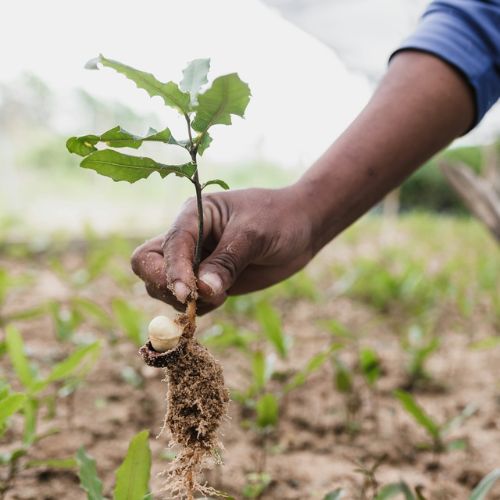
Schools independently managing their nurseries
Students learning climate concepts through hands-on practice
Teachers confidently using the nursery as a learning space
Early evidence that the model supports learning, nutrition, and stewardship
What We Will Measure
During the pilot, we will focus on practical, learning-oriented indicators:
Nursery setup and functionality
Tree survival and growth
Student participation and engagement
Teacher training uptake
Use of produce (learning, meals, or sale)
Operational challenges and costs
What We Will Learn Before Scale
Before expanding, the pilot will help us understand:
What level of support schools truly need
How different school contexts affect outcomes
The most effective balance between education, food, and income
Which monitoring approaches work at school level
How to structure partnerships for long-term success
talk to us
Get Involved in the Pilot
Seeds of the Future is currently inviting: Pilot schools, Founding funders, Strategic and technical partners