Founder’s Story
Joe Okelo
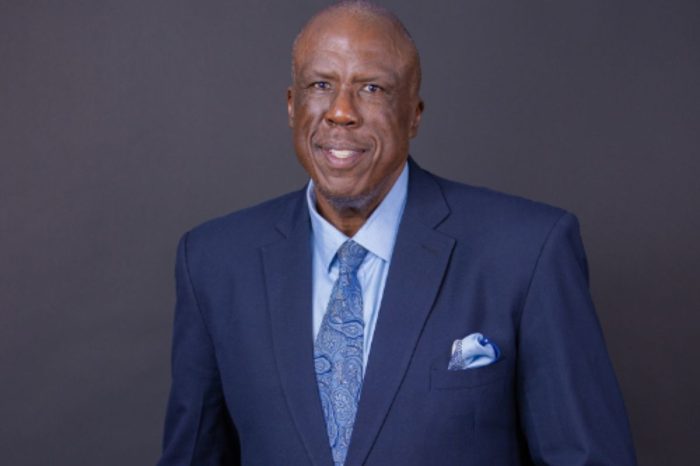
I started Seeds of the Future from a desire to build something practical — a programme that could create visible, measurable impact within schools and communities.
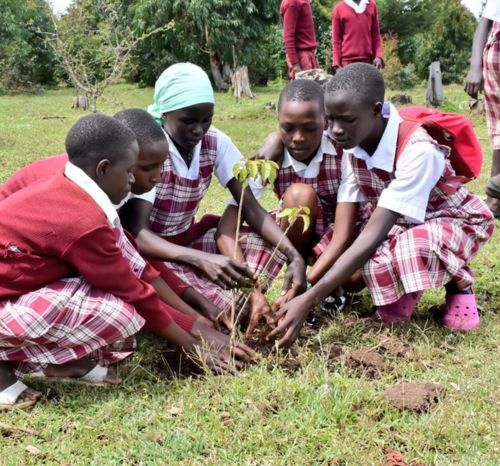
Growing up, tree planting was always part of our consciousness. Like many Kenyan children, we were encouraged to plant trees — in school compounds, at home, and during national environmental drives. Over the years, I witnessed both the promise and the shortcomings of these initiatives.
Some trees flourished and transformed landscapes. Others never survived beyond the ceremonial planting day.
That contrast stayed with me.
It planted an early question: How do we move from symbolic tree planting to sustainable ecosystem restoration?
My inspiration has also been shaped by the work of environmental leaders such as Wangari Maathai and many others who brought environmental conservation and climate justice to the forefront of public consciousness.
Today, my perspective is further informed by my work as a regenerative farmer.
Working the land has deepened my appreciation for soil health, biodiversity, and the delicate balance between human activity and nature. Farming has made climate change tangible — not theoretical. You see it in rainfall patterns, soil degradation, and crop resilience.
Seeds of the Future was born at the intersection of these experiences:
Childhood exposure to tree planting
Inspiration from environmental champions
Hands-on regenerative farming practice
A desire to create structured youth engagement
I realized that schools offered the most powerful starting point — not just because they have land, but because they shape mindsets.
Through Seeds of the Future, we work with schools to establish tree nurseries, climate clubs, and environmental enterprise education.
The goal is not just to plant trees — but to grow climate leaders.
At its heart, Seeds of the Future is also a vehicle for giving back to the environment — an acknowledgment that we have taken much from the land, and that restoration is both a responsibility and an opportunity.
My vision is to see Seeds of the Future scale across schools, counties, and eventually the continent — building a generation that sees environmental restoration not as charity, but as duty and enterprise.
Because the seeds we plant today — in soil and in young minds — will define the Africa we inherit tomorrow.